Source Customized Angel Wing Locket for Jewelry, Gifts, and Events
Compare 30 listings for customized angel wing locket options featuring stainless steel, alloy, and leather materials. Buyers can evaluate sizes, plating colors, and packaging details to find suitable suppliers for jewelry, gifts, and events; compare the available evidence and request quotations based on your requirements.
Key considerations
Products List


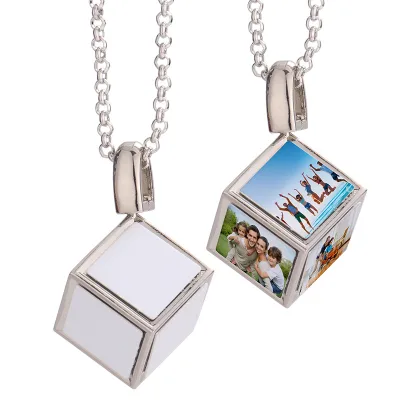
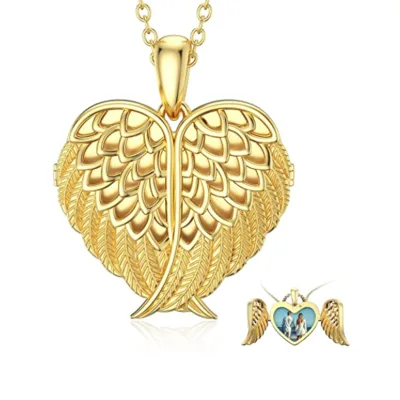
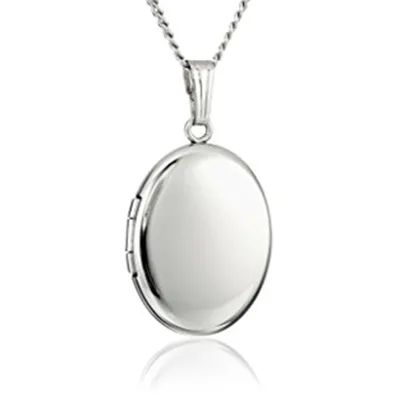


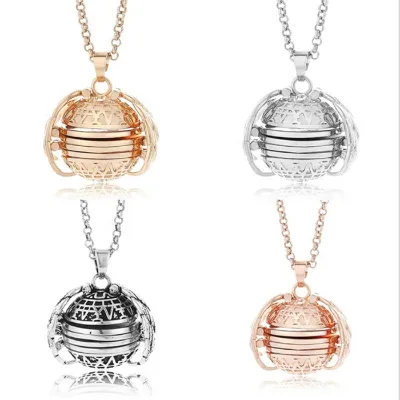
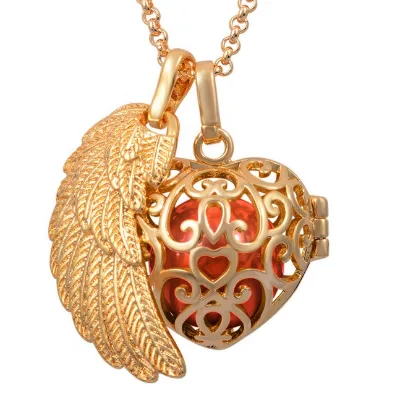
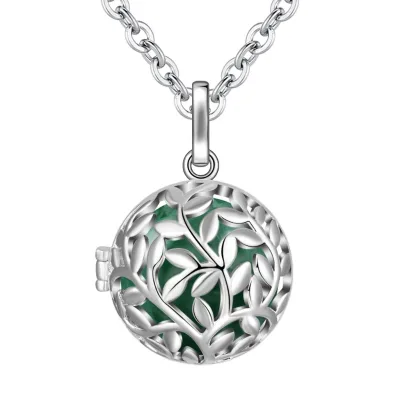


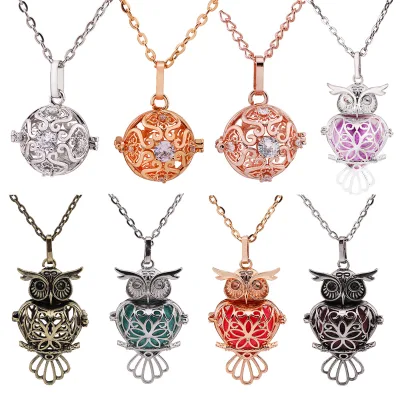
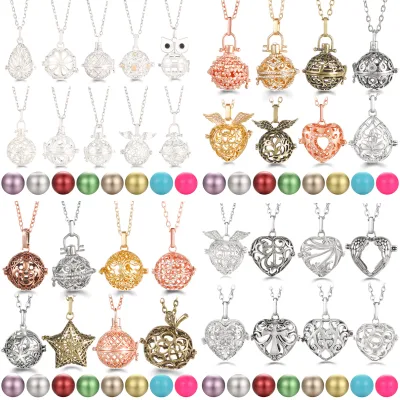


Comprehensive Sourcing Guide
Customized Angel Wing Locket Sourcing Guide
Sourcing customized angel wing lockets requires a strategic approach that balances aesthetic precision with material integrity. Buyers must first define the specific design intent, whether it involves intricate filigree work or minimalist geometric interpretations of the wing motif. The customization process typically allows for variations in metal type, plating finish, and stone inlay, enabling brands to create unique pieces that resonate with their target demographic. Understanding these variables is crucial for establishing clear communication with manufacturers and ensuring the final product aligns with brand expectations.
The procurement journey begins with identifying suppliers who specialize in jewelry customization rather than mass-produced inventory. Buyers should prioritize vendors that offer transparent customization policies, including options for logo engraving, custom packaging, and tailored design modifications. It is essential to verify the supplier’s capability to handle complex designs without compromising structural integrity. Establishing a strong partnership with a reliable manufacturer ensures consistent quality across production runs and facilitates smoother negotiations on pricing and lead times for future orders.
Product Scope and Observed Listing Signals
The current market landscape for angel wing lockets reveals a diverse range of materials and styles, primarily focusing on stainless steel and alloy constructions. Stainless steel options are frequently highlighted for their durability and resistance to fading, making them suitable for everyday wear. Alloy variants often provide more intricate detailing and are available in various platings such as gold, silver, and rhodium, allowing for a luxurious appearance at a competitive price point. Buyers should observe these material distinctions to select the most appropriate option for their specific market segment and quality requirements.
Listing signals also indicate a strong emphasis on customization and personalization features. Many suppliers offer services such as accepting custom stone colors, providing different chain lengths, and accommodating specific pendant shapes. The presence of terms like "luxury" and "elegant" suggests a market trend toward high-end aesthetic finishes. Additionally, packaging options range from individual OPP bags to bulk cartons, indicating flexibility in logistics. Buyers must carefully review these signals to ensure the supplier’s offerings align with their brand’s positioning and customer expectations regarding finish and presentation.
Technical Specifications to Verify
Verifying technical specifications is critical to ensuring the product meets functional and aesthetic standards. Key dimensions, such as pendant size and chain length, must be confirmed to match design requirements. For instance, lockets may come in standard sizes like 30*27mm, while chain lengths can vary significantly, ranging from 16 to 28 inches. Buyers should request detailed technical drawings or samples to verify these measurements, as discrepancies can lead to customer dissatisfaction. Additionally, the weight of the product, often listed in grams, should be checked to ensure it aligns with perceived value and comfort for the end-user.
Material composition and plating quality are equally important technical aspects to verify. Stainless steel and alloy bases provide the structural foundation, while platings like gold, rhodium, or silver determine the surface finish and longevity. Buyers must confirm that the plating is applied evenly and adheres well to the base material to prevent peeling or discoloration over time. Furthermore, the inclusion of eco-friendly attributes, such as being nickel-free and lead-free, should be verified through material certificates. Ensuring these specifications are met guarantees the product’s safety and durability, reducing the risk of returns or complaints.
Compliance and Safety Documentation
Compliance with international safety standards is non-negotiable for jewelry products, particularly those intended for global markets. Buyers must ensure that suppliers provide documentation confirming the absence of harmful substances such as lead and nickel. These materials can cause allergic reactions and are restricted in many regions, including the European Union and the United States. Requesting third-party test reports from accredited laboratories is the most reliable way to verify compliance. These reports should detail the results of chemical analysis, ensuring that the product meets specific regulatory limits for heavy metals and other hazardous substances.
In addition to chemical safety, buyers should verify that the supplier adheres to relevant quality management standards. While specific certifications may vary, the presence of ISO standards indicates a structured approach to quality control and production management. Buyers should inquire about the supplier’s internal quality assurance processes, including how they handle material sourcing and production monitoring. Understanding these compliance frameworks helps mitigate risks associated with product recalls or legal issues. Maintaining a robust compliance documentation system is essential for building trust with retailers and end-consumers who prioritize safety and ethical sourcing.
Cost Drivers and Commercial Terms
Understanding the cost drivers behind customized angel wing lockets is essential for effective budgeting and pricing strategies. The primary factors influencing cost include the choice of material, complexity of the design, and the extent of customization required. Stainless steel and alloy materials have different price points, and intricate designs may require additional labor and tooling costs. Plating quality and the inclusion of stones or other embellishments also significantly impact the final price. Buyers should request detailed cost breakdowns to identify areas where they can optimize expenses without compromising quality.
Commercial terms, including minimum order quantities (MOQ) and payment policies, play a crucial role in the procurement process. MOQs can vary widely, from small batches for testing to large volumes for established brands. Buyers should negotiate terms that align with their inventory management capabilities and cash flow constraints. Additionally, payment terms such as deposits and balance payments upon shipment should be clearly defined to protect both parties. Understanding these commercial dynamics allows buyers to structure deals that are financially viable and sustainable for long-term business relationships.
Supplier Qualification and Quality Control
Supplier qualification is a critical step in ensuring a reliable supply chain for customized angel wing lockets. Buyers should conduct thorough due diligence to assess the supplier’s manufacturing capabilities, production capacity, and quality control systems. Visiting the factory or requesting virtual tours can provide insights into the production environment and operational efficiency. It is also important to verify the supplier’s experience in handling similar products and their ability to meet customization requests. A qualified supplier should demonstrate a commitment to quality and continuous improvement in their manufacturing processes.
Quality control measures must be implemented throughout the production process to ensure consistency and reliability. Buyers should establish clear quality standards and inspection criteria, including checks for material defects, plating uniformity, and dimensional accuracy. Implementing pre-production samples and final random inspections can help identify and rectify issues before shipment. Additionally, suppliers should have a robust system for handling defects and returns, ensuring that any non-conforming products are addressed promptly. Effective quality control not only protects the buyer’s brand reputation but also minimizes the risk of costly errors and delays.
Long-Term Procurement Checks
Long-term procurement success depends on establishing ongoing checks and balances with suppliers. Regular performance reviews should be conducted to assess the supplier’s adherence to quality standards, delivery timelines, and communication effectiveness. These reviews provide an opportunity to address any emerging issues and reinforce expectations for future orders. Buyers should also monitor market trends and competitor offerings to ensure their product remains competitive. Staying informed about industry developments allows buyers to make proactive adjustments to their sourcing strategies and maintain a strong market position.
Building a resilient supply chain involves diversifying suppliers and maintaining open lines of communication. Buyers should cultivate relationships with multiple suppliers to mitigate risks associated with single-source dependencies. Regular feedback sessions and collaborative planning can help align supplier capabilities with buyer needs. Additionally, staying updated on regulatory changes and sustainability trends ensures that the procurement strategy remains compliant and relevant. By implementing these long-term checks, buyers can foster a stable and efficient sourcing environment that supports sustained business growth and customer satisfaction.
FAQs
What customization options are available for the locket?
Customization is available for this product line, allowing buyers to request specific designs or modifications. The factory offers custom services for items like the P30852B model, ensuring unique requirements are met without compromising the luxury style or elegant finish of the necklace.
Which materials are used to make these necklaces?
The necklaces are crafted from stainless steel, alloy, or PU leather depending on the specific model selected. These materials ensure durability while maintaining an elegant appearance. Some variants feature gold, silver, or rhodium plating to enhance the visual appeal for female customers.
Can I order a small quantity of these lockets?
Yes, you can order small quantities as the minimum order quantity ranges from one to three hundred pieces. Specific models like the NKL-11422 may have a minimum of one hundred pieces, while others allow for single unit orders, making it flexible for various business needs.
What are the standard dimensions for the product?
Standard dimensions vary by model, with some measuring 30 by 27 millimeters and others sized at 11 by 7.2 centimeters. Packaging standards often reference 5 by 7 by 8 centimeters or millimeters, ensuring the items fit securely within OPP bags, PP bags, or cartons for safe shipping.
How long is the chain length for the necklace?
Chain lengths are available in multiple options including 16, 18, 20, 22, 24, 26, and 28 inches. Some specific models offer a fixed length of 45 centimeters or 17.71 inches, providing versatility for different styling preferences and ensuring the pendant sits correctly on the wearer.
Is the product safe for sensitive skin?
Yes, the product is eco-friendly and certified as nickel-free and lead-free, making it safe for sensitive skin. This ensures that the jewelry remains hypoallergenic while providing a luxurious and elegant look suitable for daily wear, travel, or special dates without causing irritation.
What is the origin of these customized lockets?
These customized lockets originate from China, where the factory produces them with high-quality standards. The products are designed for decoration and religious usage, featuring heart-shaped pendants and available in various colors like gold, silver, and rose gold to suit diverse customer preferences.